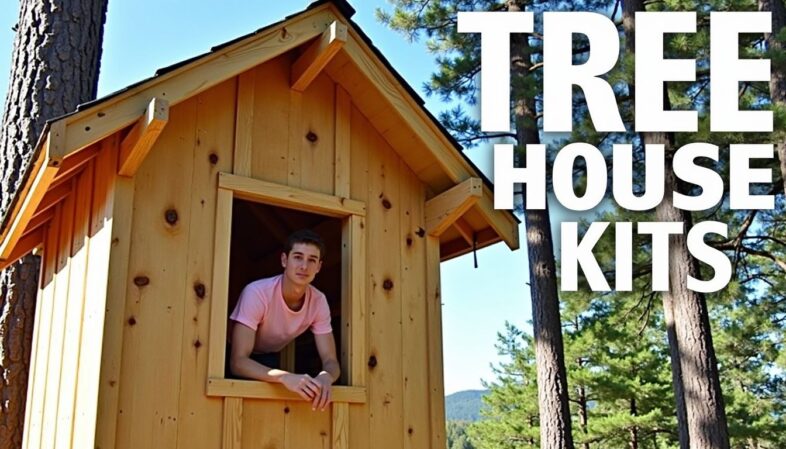
“Treehouse Master Kits” is often used to refer to the hardware and plans sold by Nelson Treehouse, a company founded by Pete Nelson of the TV show Treehouse Masters. They offer several tiered kits: the lightweight Tree Fort for basic forts, the Standard Limb for typical residential-style projects, and the heavy-duty Heavy Limb for ambitious commercial builds. We think that the best kit for you depends on your project's scale, complexity, your budget, and not just one manufacturer, so read on and learn about the whole range of whole treehouse kits.
Key Takeaways
- Treehouse master kits range from $299 to over $1,000, with quality options available at every price point for different skill levels
- Entry-level kits like DIY Build Masters ($299) offer pre-cut materials and basic hardware, while premium options like Urban Treecreations include advanced features and superior materials
- The right treehouse kit depends on your tree type, available space, and carpentry experience – with some requiring just a weekend to build and others taking a month
- Most affordable kits include pre-cut lumber and fasteners but often exclude tools and weather-proofing materials that add to the overall cost
- TreeLog Homes offers comprehensive treehouse master kits with detailed blueprints, premium materials, and exceptional customer support for DIY enthusiasts of all levels
Dreaming of building your own backyard retreat in the trees? The right treehouse kit can make all the difference between a rewarding DIY adventure and a frustrating construction nightmare. Today's market offers everything from simple weekend builds to elaborate multi-platform designs that rival professional installations.
When comparing Treehouse master kits, understanding what separates basic models from premium options is crucial for making a smart investment. I've spent years evaluating these kits and building them with families across the country, documenting what works and what doesn't. TreeLog Homes offers some of the most comprehensive kits I've encountered, with thoughtful designs that balance safety, ease of construction, and visual appeal.
In this detailed comparison, we'll explore the top contenders across different price ranges, examine what's actually included in each kit, and help you identify which option aligns with your skill level, available trees, and budget.

Top Treehouse Master Kits You Need to See
The treehouse kit market has exploded in recent years, with manufacturers developing increasingly sophisticated options for DIY builders. Gone are the days of cobbling together random lumber and hoping for the best. Today's top kits include precisely milled parts, comprehensive instructions, and innovative mounting systems that protect tree health while ensuring structural integrity.
The best kits stand out by offering a balance between ease of assembly and customisation options. While some prioritise simplicity with modular components, others provide more flexibility with adaptable designs that can be modified to suit different tree configurations. For those considering treehouse support, an oak tree analysis can be crucial. What truly distinguishes premium offerings is attention to detail – from pre-drilled pilot holes to colour-coded fasteners that simplify the building process.
What Makes a Quality Treehouse Kit
Quality treehouse kits share several critical characteristics that separate them from inferior options. First and foremost is material selection – premium kits use pressure-treated lumber or naturally rot-resistant woods like cedar or redwood that can withstand years of exposure to the elements. The fastening systems matter tremendously, with the best kits including specialised hardware designed specifically for tree attachment that allows for growth and movement. For more information on affordable options, check out affordable treehouse kits.
Comprehensive instructions make a world of difference, especially for DIY builders with limited carpentry experience. Top-tier kits include detailed step-by-step guides, often supplemented with online video tutorials. Safety features are non-negotiable in quality kits, with sturdy railings, properly spaced balusters, and secure access methods like ladders or stairs being standard inclusions rather than afterthoughts.
The thoughtfulness of the design reveals much about a kit's quality. The best offerings account for tree movement, provide proper water drainage, and incorporate ventilation to prevent moisture buildup. They also strike the right balance between structural integrity and minimising impact on the host tree, often using specialised mounting brackets that don't require drilling directly into the trunk.
Price Ranges for Different Skill Levels
Treehouse kits fall into three distinct price categories, each corresponding to different skill levels and project ambitions. Entry-level kits ($299-$500) typically offer basic designs with pre-cut lumber and essential hardware, making them ideal for beginners or those wanting a simple weekend project. These kits usually require basic tools and minimal carpentry skills, with straightforward platforms and simple railings.
Mid-range options ($500-$1,000) introduce more sophisticated designs with multiple levels, creative architectural elements, and higher-quality materials. These kits often include more specialised hardware and require intermediate building skills, but the results are substantially more impressive than entry-level models. The sweet spot for most DIY enthusiasts, these kits offer a good balance between affordability and design quality.
Premium treehouse master kits ($1,000+) represent the pinnacle of DIY treehouse building, with architectural-grade designs, superior materials, and comprehensive hardware packages. These kits typically include features like insulated walls, real windows and doors, waterproof roofing systems, and elaborate deck areas. While they demand more advanced carpentry skills and specialised tools, the results rival professional custom builds at a fraction of the cost.
Entry-Level Treehouse Kits Under $500
Entry-Level Kit Comparison
Handcrafted Tree House Kit by DIY Build Masters: $299 – Pre-cut lumber, basic hardware, simple platform design
Pocket Playhouse Kits by Playtime Designs: $399 – Compact design, decorative elements, easier installation
The Treehouse Box Series by Quirky Treepotamus: $500 – Modular system, expandable design, unique aesthetic
Entry-level treehouse kits offer an accessible starting point for families and first-time builders without breaking the bank. These affordable options focus on simplicity and essential features while still delivering a functional treehouse experience. What makes these kits particularly appealing is their approachable nature – most can be completed in a single weekend with basic tools and minimal assistance.
While these budget-friendly options may lack the elaborate features of their more expensive counterparts, they provide a solid foundation that can often be expanded or enhanced over time. Many first-time builders find these kits to be perfect learning experiences before taking on more complex treehouse projects. The pre-cut components eliminate much of the measuring and cutting that intimidates novice builders, allowing them to focus on assembly and enjoying the process.
1. Handcrafted Tree House Kit by DIY Build Masters
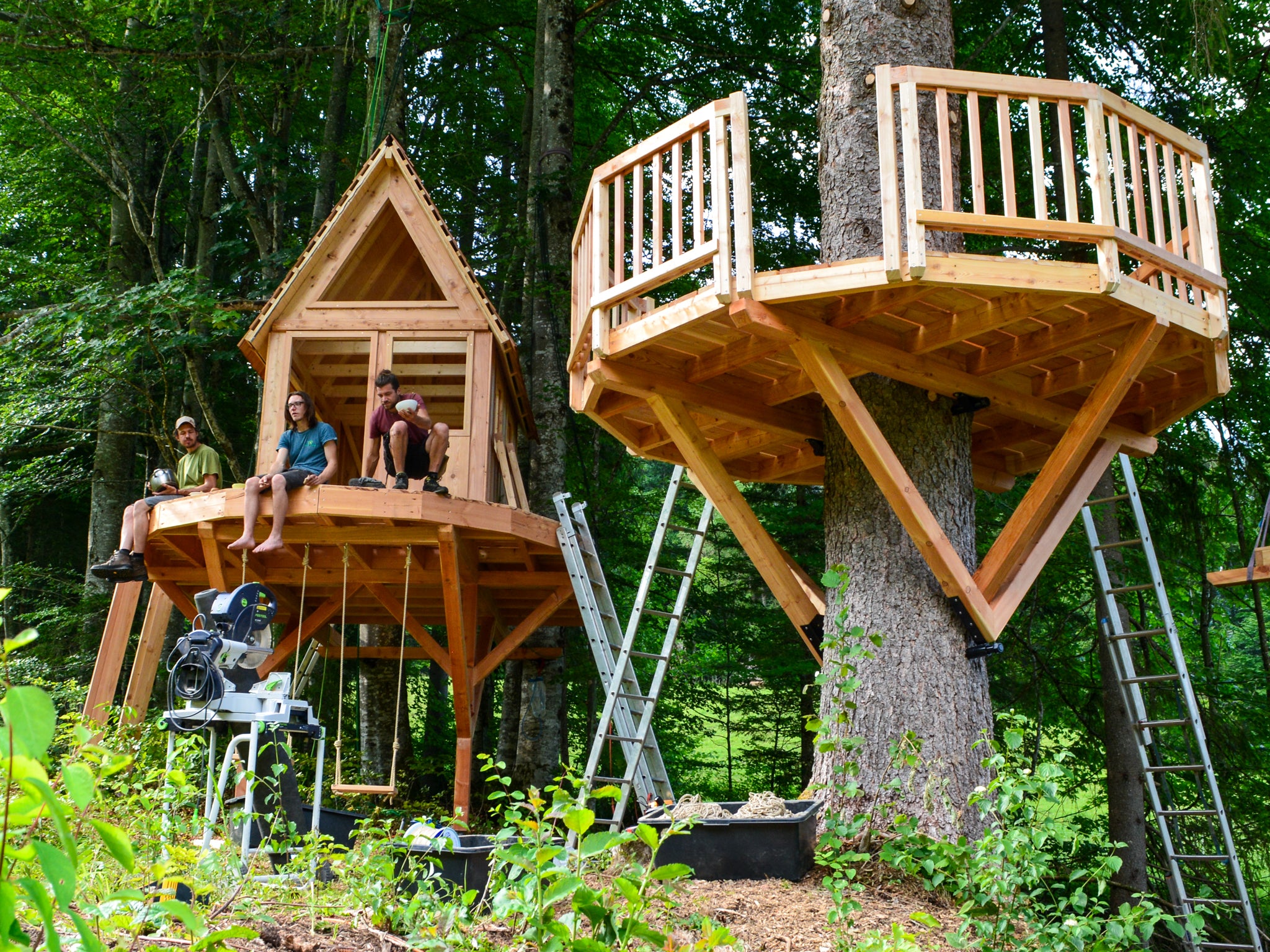
At just $299, the Handcrafted Tree House Kit by DIY Build Masters represents one of the best values in the entry-level category. This straightforward kit includes all the pre-cut, pre-drilled lumber needed for a 6′ x 6′ platform with simple railings and a ladder. What sets this kit apart is the quality of the included hardware – galvanized bolts, structural screws, and proper joist hangers ensure that even budget-conscious builders aren't compromising on safety.
DIY Build Masters includes surprisingly detailed instructions with their kit, featuring both written directions and helpful diagrams that walk builders through each stage of construction. The design cleverly minimizes the need for specialized tools, requiring just a drill, wrench set, and hammer for complete assembly. While simple, the finished treehouse provides a sturdy 250-pound weight capacity, making it suitable for children and lighter adults.
“Treehouse Assembly Kit for Large …” from thetreehouse.shop and used with no modifications.
2. Pocket Playhouse Kits by Playtime Designs
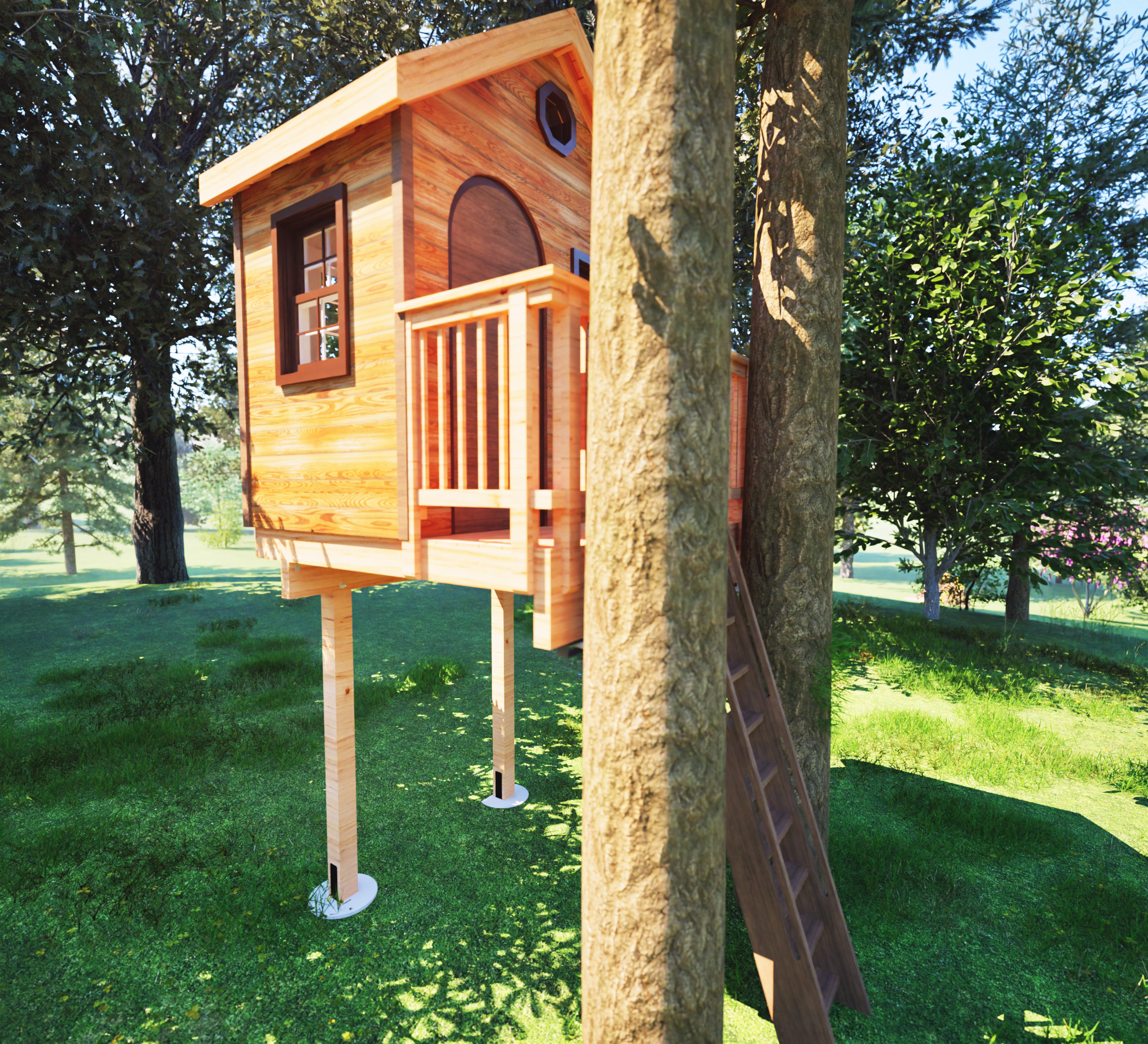
Playtime Designs offers its charming Pocket Playhouse Kit at $399, focusing on creating an enchanting space rather than maximizing square footage. The kit creates a compact 4′ x 6′ structure with whimsical design elements like arched windows, decorative railings, and a pitched roof that gives it a storybook appearance. What makes this kit particularly appealing for first-time builders is its simplified mounting system, which requires fewer attachment points to the tree while maintaining structural integrity.
The pre-cut components arrive colour-coded to match the comprehensive instruction manual, virtually eliminating confusion during assembly. Playtime Designs has thoughtfully included weatherproofing elements often missing from other entry-level kits, such as roof flashing and basic sealing materials. While smaller than some competitors, the clever design makes excellent use of space with built-in seating and storage nooks that enhance functionality.
“2 Tree 2 Post Mini Treehouse Kit | TAB …” from www.treehousesupplies.com and used with no modifications.
3. The Treehouse Box Series by Quirky Treepotamus
At the upper end of the entry-level category sits The Treehouse Box Series by Quirky Treepotamus, priced at $500. This innovative kit takes a modular approach, allowing builders to start with a core 6′ x 8′ platform and expand over time with additional modules. The kit's distinguishing feature is its unique bracket system that adapts to various tree configurations while minimizing damage to the host tree.
Quirky Treepotamus has developed an exceptional reputation for their detailed instruction manuals, which include QR codes linking to video tutorials for particularly challenging steps. The materials quality exceeds expectations for this price point, with cedar railings and floor joists that resist decay naturally without chemical treatments. The kit's versatile design works equally well as a standalone platform or as the foundation for a more elaborate treehouse with walls and a roof (available as add-on kits).
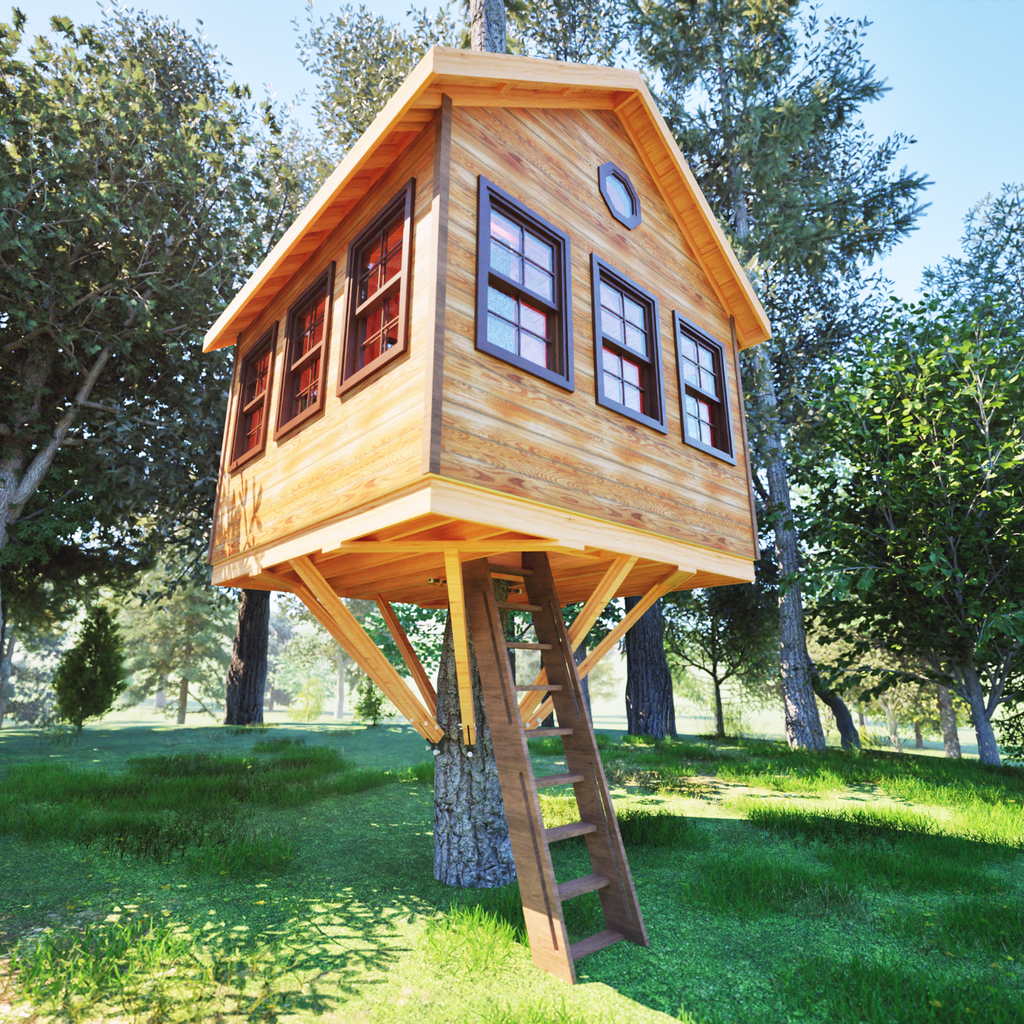
“12′ Square Treehouse Kit | TAB …” from www.treehousesupplies.com and used with no modifications.
Mid-Range Treehouse Kits ($500-$1000)
Stepping up to mid-range kits opens up significantly more possibilities in terms of design complexity and features. These kits hit the sweet spot for many DIY enthusiasts, offering substantial upgrades over entry-level options without the intimidating price tag of premium models. With prices ranging from $500-$1000, these kits deliver noticeable improvements in material quality, structural integrity, and architectural interest.
Mid-range treehouse kits typically include more sophisticated hardware systems, expanded platforms, and the option to add enclosed spaces with proper windows and doors. They strike an excellent balance between accessibility and ambition, providing enough guidance for confident beginners while offering enough creative latitude for those with some building experience. Most require a weekend or two to complete, making them manageable for dedicated DIYers with limited free time.
1. The Treehouse Company Kits by Little Treers
Little Treers offers an impressive mid-range option with their Treehouse Company Kit, priced at $699. This comprehensive package creates an 8′ x 8′ platform with a charming 6′ x 6′ enclosed structure featuring real windows and a Dutch door. What distinguishes this kit is its intelligent attachment system using specialised lag bolts and floating brackets that accommodate tree growth while maintaining rock-solid stability.
The kit includes detailed architectural plans that walk builders through each construction phase with exceptional clarity. Little Treers uses a combination of pressure-treated pine for structural components and cedar for exposed surfaces, striking a smart balance between durability and aesthetics. The enclosed space comes with proper weatherproofing materials, including roof underlayment, flashing, and sealants that many competitors treat as optional extras.
Assembly typically takes 2-3 days with two people working together, making it a perfect weekend project for parents and older children to tackle as a team. The finished structure supports up to 800 pounds, accommodating several adults comfortably.
2. Green Treepotamus Treehouse Kits
At $799, the Green Treepotamus Treehouse Kit emphasizes sustainability without sacrificing quality or design appeal. This innovative kit creates an 8′ x 10′ platform with a partially enclosed structure featuring large windows that maximize natural light. What sets this kit apart is its commitment to environmentally responsible materials—all lumber comes from certified sustainable forests, and the kit uses recycled plastic composite decking that will never rot or require chemical treatments.
The Green Treepotamus design incorporates smart details like an integrated rainwater collection system that channels roof runoff into a small barrel for watering plants. The instructions include both standard construction techniques and eco-friendly alternatives, such as natural wood preservatives and non-toxic sealants. Unlike many competitors, this kit includes a solar-powered lighting package with LED string lights and a small interior lamp, eliminating the need for running electrical wiring to the treehouse.
Assembly complexity falls in the intermediate range, requiring approximately 16-20 hours of work spread across multiple days. The resulting structure boasts an impressive 1,000-pound capacity with minimal environmental impact. For a detailed cost breakdown of treehouses, you can explore various models and their specifications.
3. Family Fun Treehouse Kits by Fun Treehouse Co.
Fun Treehouse Co. offers their Family Fun Treehouse Kit at $949, positioning it at the upper end of the mid-range category. This expansive kit creates a multi-level structure with a 10′ x 10′ main platform and a smaller 6′ x 6′ upper deck connected by a short staircase. The partially enclosed main level features three windows and a full-sized door, while the upper deck includes sturdy railings and a canvas canopy for shade.
What distinguishes this kit is its focus on interactive elements that engage children—built-in features include a climbing wall on one side, a firefighter pole for quick exits, and a pulley system for hoisting supplies. Fun Treehouse Co. provides exceptionally detailed instructions with photographic documentation of each step, making this complex build manageable even for those with limited carpentry experience.
The materials package includes premium touches often reserved for higher-end kits, such as cedar shake roofing, stainless steel hardware throughout, and pre-primed exterior siding ready for the color of your choice. Assembly typically takes 3-4 days with a team of two adults, resulting in a versatile play space with a weight capacity of 1,200 pounds distributed across both levels.
Premium Treehouse Master Kits ($1000+)
Premium treehouse kits represent the pinnacle of DIY treehouse building, offering architectural-grade designs, superior materials, and comprehensive building systems. These high-end options blur the line between kit construction and custom treehouse building, delivering results that rival professional installations at a fraction of the cost. For serious DIY enthusiasts with appropriate trees and adequate skills, these kits provide exceptional value despite their higher price points.
What separates premium kits from their more affordable counterparts is the level of engineering sophistication and material quality. These kits typically employ professional-grade attachment systems that distribute weight properly while allowing for tree growth and movement. They also include architectural elements like dormers, bay windows, and covered porches that transform a simple platform into a true treetop retreat. For those interested in ensuring their structure is stable, conducting an oak tree analysis for treehouse support is highly recommended. Most require significant time commitments, often spanning several weekends or even weeks to complete.
1. Modern Treehouse Kits by Urban Treecreations
Urban Treecreations delivers contemporary design excellence with their Modern Treehouse Kit, priced at $1,499. This architectural showpiece creates a stunning 10′ x 12′ structure with clean lines, large windows, and an innovative fold-down deck that can be raised for security when not in use. The kit's signature feature is its sleek metal roof with integrated skylights that flood the interior with natural light while providing superior weather protection.
The materials package reflects the premium positioning, with marine-grade plywood flooring, composite exterior panels that never need painting, and aluminum railings that combine safety with modern aesthetics. Urban Treecreations includes a proprietary attachment system using engineered steel brackets that distribute weight across multiple attachment points, allowing installation in trees that might not support conventional treehouse designs. The comprehensive instructions include both printed manuals and access to online video tutorials covering every construction phase in detail, ensuring you understand every aspect of oak tree analysis for treehouse support.
While demanding in terms of time (typically 4-5 days with experienced help) and requiring more advanced skills than simpler kits, the Modern Treehouse Kit delivers exceptional results that can serve as a functional living space, home office, or luxury play area. The finished structure supports up to 2,000 pounds and includes provisions for adding optional amenities like solar power systems and composting toilets.
2. Pre-Lit DIY Treehouse Kit by Space100
At $1,799, the Pre-Lit DIY Treehouse Kit by Space100 represents one of the most comprehensive premium offerings on the market. This extraordinary kit creates a fully-insulated 12′ x 14′ structure with a lofted sleeping area, making it suitable for year-round use in most climates. What truly distinguishes this kit is its integration of professional-grade electrical systems—the package includes pre-wired LED lighting, electrical outlets, and a small breaker panel, all designed for safe connection to a ground-based power source.
Space100 employs advanced materials throughout, including structural insulated panels (SIPs) for walls and ceiling that provide superior thermal performance while simplifying construction. The kit includes real double-glazed windows, a solid core exterior door with deadbolt, and a standing seam metal roof with a 50-year warranty. The comprehensive hardware package features stainless steel fasteners throughout and a sophisticated flexible mounting system that uses threaded rods and floating brackets to accommodate tree movement.
The detailed instruction manual spans over 200 pages, with isometric diagrams, electrical schematics, and step-by-step photographs of each construction phase. While demanding in terms of time commitment (typically 7-10 days for completion) and requiring more advanced skills, the Pre-Lit Treehouse Kit delivers a true four-season space that can function as a guest room, home office, or luxury retreat.
Essential Hardware Add-Ons Worth the Money
While most treehouse kits include basic fasteners and brackets, investing in specialised hardware can dramatically improve both safety and longevity. These purpose-designed components solve common treehouse problems that standard construction hardware simply wasn't designed to address. The right hardware additions can transform a wobbly platform into a rock-solid structure while allowing the tree to grow naturally.
Even premium kits sometimes skimp on specialised hardware, assuming builders will use basic lag bolts and brackets. This approach might work initially, but over time, tree growth can stress these connection points, potentially damaging both the tree and the structure. Quality hardware add-ons represent one of the smartest investments you can make, regardless of which kit you choose.
Treehouse Hardware Kits
Dedicated treehouse hardware kits contain specialised fasteners designed specifically for tree attachment. The cornerstone of these kits is typically the treehouse attachment bolt (TAB) – a heavy-duty threaded rod with a specially designed bearing bracket that allows the treehouse to “float” slightly as the tree moves in the wind and grows over time. A quality TAB kit runs between $75-$200, depending on quantity and size, but provides critical support that standard lag bolts cannot match.
For serious builds, consider investing in a professional-grade hardware system like those from TreeHouse Supplies or Garnier Limbs. These systems use engineered components that can support several thousand pounds each, distributing weight evenly to minimise tree damage. While adding $200-$400 to your project cost, these systems provide peace of mind and structural integrity that make them worth every penny.
Bridge Kits for Multi-Platform Designs
For treehouses spanning multiple trees, a proper bridge kit provides safe passage between platforms while accommodating the natural movement of separate trees. Basic bridge kits starting around $150 include specialised flexible connectors, tension cables, and hardware that allow the bridge to flex without compromising structural integrity. More elaborate suspension bridge kits ($300+) include engineered cable systems, specialised decking, and proper railings that meet safety standards.
When selecting a bridge kit, look for designs that incorporate proper tension systems and flexible connection points. Many DIY builders underestimate the complex forces at work when connecting separate trees, leading to bridges that become dangerous as trees grow and shift. Quality bridge kits solve these issues through intelligent engineering, making them well worth the additional investment.
Monkey Hardware for Climbing Features
Adding climbing features transforms a basic treehouse into an interactive adventure space. Monkey hardware kits include specially designed grips, climbing holds, and attachment systems that secure safely to trees without causing damage. Basic climbing hold sets start around $50, while comprehensive monkey bar systems run $150-$300 depending on complexity and length.
When selecting climbing hardware, prioritise systems designed specifically for outdoor use in treehouse environments. Standard playground equipment often uses mounting methods that can damage trees or fail when attached to natural surfaces. Purpose-designed treehouse climbing hardware uses tree-friendly attachment methods and weather-resistant materials that maintain their integrity through seasonal changes.
Rope Swing Add-Ons
No treehouse feels complete without a proper swing, but attaching one safely requires specialised hardware. Quality rope swing kits ($75-$150) include properly rated attachment hardware, weatherproof rope, comfortable seats, and most importantly, limb protection systems that prevent rope abrasion from damaging the tree. The best kits use a combination of sleeves and specialised attachment points that distribute weight properly while allowing adjustment as the tree grows.
When selecting swing hardware, pay particular attention to weight ratings and attachment methods. Many budget swing attachments rely on simple eye bolts that can tear out of branches under dynamic loads. Quality swing hardware uses broader attachment surfaces and limb-friendly designs that maintain both safety and tree health for years of enjoyment.
What Each Kit Includes (And What They Don't Tell You)
Marketing materials for treehouse kits often highlight impressive features while glossing over important exclusions. Understanding exactly what comes in the box – and what doesn't – helps prevent budget surprises and construction delays. I've found significant variations in what manufacturers consider “complete,” with some kits requiring substantial additional purchases to finish the project.
Materials Breakdown
Entry-level kits typically include pre-cut lumber for the platform, railings, and basic structural elements, along with standard fasteners like screws, nails, and bolts. Mid-range kits add materials for enclosed spaces, including wall framing, basic siding, roofing materials, and sometimes windows and doors. Premium kits generally include higher-quality versions of these components plus insulation, interior finishing materials, and specialised architectural elements. For additional protection, consider rain-proofing your treehouse design with essential tips.
What most kits surprisingly omit are weather-proofing materials like flashing, sealants, and waterproof membranes – critical components for any treehouse expected to withstand the elements. Similarly, finish materials like paint, stain, or sealers are rarely included even in premium kits. Perhaps most importantly, specialised treehouse attachment hardware is often minimally provided or excluded entirely, forcing builders to make additional purchases or compromise on safety.
Tools Required (But Not Included)
The fine print on most treehouse kits reveals an assumption that builders already possess a substantial tool collection. Basic requirements typically include a circular saw, drill/driver, impact driver, level, tape measure, hammer, and wrench set. More complex kits may require additional specialised tools like jigsaws, reciprocating saws, routers, or even specific drill bits for treehouse attachments.
While experienced DIYers likely have most of these tools already, beginners should factor tool acquisition into their budget calculations. Quality tools can add $300-$700 to project costs if starting from scratch, though rental options exist for specialised items. Some premium kit manufacturers offer tool rental packages specifically configured for their builds, which can be a cost-effective solution for one-time builders.
Hidden Costs to Consider
Beyond tools and additional materials, several hidden costs can significantly impact treehouse budgets. Site preparation often requires specialised equipment like tree trimming tools or safety gear for working at height. Many designs require a ground-based ladder or staircase for access, which is rarely included even in comprehensive kits. Enclosed treehouses, ventilation systems, insect screening, and moisture control elements represent additional expenses that marketing materials seldom mention.
Perhaps the most overlooked cost is proper tree assessment before building. While not strictly part of the kit, consulting with an arborist (typically $100-$300) provides critical information about tree health, growth patterns, and appropriate attachment points. This professional guidance can prevent costly mistakes and protect both the tree and the structure over time – an investment that pays dividends through improved safety and longevity.
How to Choose the Right Kit for Your Trees
The perfect treehouse kit for your neighbour might be completely unsuitable for your property. Tree characteristics dramatically influence which designs will work safely in your specific situation. Before purchasing any kit, you'll need to evaluate your available trees against several critical factors that determine compatibility.
Tree Type Compatibility
Different tree species vary significantly in their suitability for supporting treehouses. Hardwoods like oak, maple, and beech generally provide excellent support due to their strong wood and resilient growth patterns. Pine and other softwoods, while still usable, typically require more attachment points to distribute weight safely. Avoid building in trees with brittle wood (like willow or poplar), those showing signs of disease, or species known for rapid growth that will quickly distort your structure.
Most treehouse kits are designed with specific tree configurations in mind. Single-tree designs require a substantial trunk (typically 12+ inches in diameter) with adequate branching for support. Multi-tree designs need appropriate spacing between healthy trees – usually 8-15 feet apart for optimal platform support. Before selecting any kit, measure your trees' dimensions and spacing to ensure compatibility with the design you're considering.
Weight Capacity Considerations
Every treehouse kit comes with weight limitations that must be respected for safety. Entry-level kits typically support 500-800 pounds total, adequate for several children but potentially insufficient for multiple adults. Mid-range kits generally offer 800-1,200 pound capacities, while premium designs can support 1,500 pounds or more when properly installed.
When evaluating weight capacity, consider not just human occupants but also furnishings, equipment, and accumulated snow or ice in winter climates. The best manufacturers provide detailed specifications for maximum occupancy and weight distribution across attachment points. If your intended use involves adult gatherings or heavier equipment, you may need to either select a higher-capacity kit or modify a standard design with additional support points.
Space Requirements
Treehouse kits require adequate space not just for the structure itself but also for safe access and proper clearance from obstacles. Most designs need at least 3-4 feet of clearance from branches, buildings, power lines, and other potential hazards. For more information on ensuring safety, check out these essential tips for rain-proofing your treehouse design. Access systems like ladders or stairs require additional ground space – typically 5-8 feet extending from the treehouse for safe approach angles.
Equally important is the vertical space between platforms and the ground. Most safety guidelines recommend a minimum 8-foot clearance to prevent jumping injuries, with 10-12 feet being ideal. When measuring your available space, consider not just current dimensions but how tree growth might change these measurements over time. The most successful treehouse placements allow room for both the tree and the structure to coexist as both evolve over the years.
DIY Difficulty Ratings: Which Kit Matches Your Skill Level
Nothing derails a treehouse project faster than discovering you're in over your head halfway through construction. Matching your actual building skills to an appropriate kit difficulty level is essential for a successful and enjoyable experience. Manufacturers often understate the skills required, using terms like “beginner-friendly” rather loosely.
I've developed a more realistic difficulty scale after building dozens of kits with families of varying experience levels. The most important factors aren't just about carpentry skills – physical stamina, problem-solving ability, and comfort working at height all play crucial roles in determining which projects are truly accessible to different builders.
- Level 1: Simple platform, minimal tools, pre-drilled components, 1-2 people, weekend project
- Level 2: Basic enclosed structure, standard tools, some measuring/cutting, 2 people, 2-3 day project
- Level 3: Complex design, multiple levels, specialized tools needed, 2-3 people, week-long project
- Level 4: Architectural features, electrical systems, professional-grade tools required, 3+ people, multi-week project
- Level 5: Custom engineering elements, specialized skills like roofing/plumbing, team of experienced builders, month-long project
Realistically assessing your skills before purchasing prevents frustration and ensures your treehouse project creates positive memories rather than becoming an abandoned eyesore. Most first-time builders should start with Level 1 or 2 kits, even if they have general DIY experience, as treehouse construction introduces unique challenges not found in ground-based projects.
Beginner-Friendly Options
Truly beginner-friendly treehouse kits (Level 1) minimise measuring and cutting while providing comprehensive, step-by-step instructions with detailed diagrams. The DIY Build Masters Handcrafted Tree House Kit exemplifies this category, with pre-cut, pre-drilled components that practically assemble themselves. These kits typically create simple platforms with railings and basic access systems, focusing on structural integrity rather than elaborate features.
What makes these kits accessible isn't just simplified components but thoughtfully designed assembly sequences that prevent common mistakes. The best beginner kits include checkpoints throughout the building process, allowing new builders to verify correct assembly before proceeding to the next step. They also typically require only basic tools that most homeowners already possess, eliminating the need for specialised equipment rentals.
Intermediate Builder Kits
Intermediate kits (Levels 2-3) introduce more complex elements like enclosed structures, windows, doors, and multiple platform levels. The Treehouse Company Kits by Little Treers and Green Treepotamus offerings fall into this category, requiring more advanced measuring, cutting, and assembly skills. These kits typically include more components with less pre-fabrication, assuming builders can make accurate cuts and problem-solve minor fitting issues.
Success with intermediate kits depends heavily on attention to detail and the ability to visualise three-dimensional structures from two-dimensional plans. These projects benefit significantly from having at least one team member with previous carpentry experience who can recognise potential issues before they become problems. Most intermediate kits require weekend warriors to commit several consecutive days to the project, as partially completed structures may be vulnerable to weather damage.
Advanced Projects for Experienced DIYers
Advanced Kit Skill Requirements
Urban Treecreations Modern Kit: Requires experience with metal roofing, large window installation, and structural carpentry
Space100 Pre-Lit Kit: Demands basic electrical knowledge, insulation installation skills, and fine carpentry experience
Custom Hybrid Designs: Necessitate ability to modify plans, problem-solve unique situations, and implement specialized systems
Advanced treehouse kits (Levels 4-5) represent serious building projects that rival professional construction in complexity. These sophisticated designs from companies like Urban Treecreations and Space100 assume substantial previous building experience and comfort with specialised techniques. Advanced kits typically provide architectural-grade plans rather than step-by-step instructions, expecting builders to understand construction principles and apply them to unique tree configurations.
The rewards of tackling advanced kits are substantial – these projects create true architectural statements with premium features and long-term durability. However, they demand significant commitments of time, tools, and team resources. Most require at least three builders, with one serving as project manager to coordinate the various construction phases. Physical stamina becomes increasingly important, as these projects often involve manipulating heavy components at height over extended periods.
For those with appropriate skills, advanced kits offer tremendous value compared to professional installations, typically delivering equivalent results at 30-40% of the cost. The key to success lies in honest skill assessment – these kits are not appropriate for ambitious beginners, regardless of enthusiasm. If your previous building experience consists primarily of assembling furniture or basic repairs, build your skills with simpler projects before attempting advanced designs.
One excellent approach for moderately experienced builders is to start with an intermediate kit and plan for future upgrades. Many mid-range kits can be enhanced over time with advanced features like solar electrical systems, improved insulation, or architectural details. This progressive approach builds skills while creating a functional treehouse that evolves alongside your capabilities.
Build Time Comparison: Weekend Projects vs. Month-Long Builds
Realistic time expectations prevent the disappointment of unfinished projects and help coordinate the necessary help for completion. Entry-level kits like the Handcrafted Tree House Kit genuinely qualify as weekend projects, typically requiring 8-12 hours of work spread across two days. Mid-range offerings demand substantially more time – usually 3-4 days of concentrated effort or several weekends of part-time work. Premium designs like the Space100 Pre-Lit DIY Treehouse Kit represent serious commitments, often requiring 7-14 full days of construction spread across a month or more, especially when weather delays are factored in.
Your Next Steps: Making the Perfect Treehouse a Reality
With a clearer understanding of available options and their requirements, you're ready to move forward with selecting the ideal treehouse kit for your specific situation. The most successful projects begin with thorough planning and honest assessment of trees, skills, and available resources. Consider starting with a site evaluation by an arborist, who can identify the healthiest trees on your property and recommend appropriate attachment methods that minimise damage while maximising stability.
Where to Purchase These Kits
The best sources for quality treehouse kits combine competitive pricing with knowledgeable customer support. Direct purchasing from manufacturers typically provides the most comprehensive support, as company representatives understand their designs intimately and can provide guidance for your specific situation. Companies like TreeLog Homes, DIY Build Masters, and Urban Treecreations maintain excellent customer service departments staffed by experienced builders who can answer technical questions throughout your project. For additional tips on building and maintaining your treehouse, you might find this article on rain-proofing your treehouse design useful.
For more budget-conscious shoppers, larger online retailers occasionally offer discounted kits, though support quality varies significantly. When purchasing through third-party sellers, prioritise those that specialise in outdoor structures rather than general merchandise retailers. Specialised sellers more reliably stock complete kits with all components intact and can provide meaningful guidance if challenges arise during construction. For example, understanding oak tree analysis for treehouse support can be crucial when choosing the right kit.
What to Ask Before Buying
Before finalising any purchase, several critical questions deserve clear answers from the manufacturer or seller. First, verify exactly what components are included and which must be purchased separately – particularly regarding specialised hardware, fasteners, and weatherproofing materials. Ask about the warranty coverage and whether it extends to the structure itself or merely the components as delivered. Inquire about the availability of replacement parts should something become damaged during construction or years later.
Perhaps most importantly, ask about support resources available during the build process. The best manufacturers offer some combination of detailed printed instructions, online video tutorials, and responsive customer service for troubleshooting. Some premium kit providers even offer telephone consultation services with experienced builders who can talk you through challenging steps. These support resources often distinguish truly usable kits from those that create frustration halfway through construction.
Frequently Asked Questions
Throughout my years helping families build treehouses, certain questions have arisen consistently. These common concerns reflect the practical considerations that impact both the building process and long-term enjoyment of your treehouse. Addressing these questions helps ensure your project proceeds smoothly from concept to completion. For a detailed cost breakdown of treehouses, you can refer to this comprehensive guide.
How much weight can a typical treehouse kit support?
Weight capacity varies significantly between kit models, with entry-level designs typically supporting 500-800 pounds distributed across the platform. Mid-range kits generally offer capacities between 800-1,200 pounds, while premium models can support 1,500-2,000 pounds when properly installed. These figures assume correct installation according to manufacturer specifications, with appropriate tree selection and proper use of all specified hardware.
It's worth noting that dynamic loads (people moving, jumping, or running) create more stress than static weight. For safety, most engineers recommend calculating your needed capacity based on the maximum number of anticipated occupants multiplied by 1.5 to account for movement. For example, if you expect four 150-pound adults to use the treehouse simultaneously, design for at least 900 pounds of capacity (4 × 150 × 1.5).
Do I need special permits to build a treehouse on my property?
Permit requirements vary dramatically by location, with some jurisdictions treating treehouses as playsets requiring no permits, while others classify them as accessory structures subject to building codes. The determining factors typically include size, height, whether the structure is enclosed, presence of electrical systems, and intended use. Structures under 100 square feet without utilities often qualify for exemptions in many areas, though this is far from universal.
- Check local zoning regulations regarding setbacks from property lines
- Verify height restrictions in your residential zone
- Determine if your homeowners' association has additional restrictions
- For enclosed structures, inquire about egress requirements and fire safety codes
- If installing electrical systems, electrical permits are almost always required
The safest approach is to consult your local building department before purchasing any kit. Many jurisdictions offer pre-application consultations where officials can clarify requirements for your specific situation. This proactive step prevents the disappointment of discovering permit issues after investing in materials. Additionally, consider these essential tips for rain-proofing your treehouse design to ensure your project withstands the elements.
In some areas, classification as a “temporary play structure” rather than a permanent building can simplify permitting. Design elements that support this classification include removable ladders rather than permanent stairs, the absence of utilities, and limited size. Document these characteristics when applying for permits or exemptions. For more insights, you might find this guide on temporary structures helpful.
Can I customise these kits, or am I stuck with the design provided?
Most treehouse kits allow for reasonable customisation, though the degree of flexibility varies by manufacturer and model. Entry-level kits typically offer limited modification options beyond cosmetic changes like paint colours or simple railing designs. Mid-range and premium kits generally provide more adaptation opportunities, with many offering modular components or alternative layouts that can be configured to suit specific trees and preferences. The most accommodating manufacturers provide their designs as starting points rather than rigid templates, including guidance for adapting dimensions and configurations to your specific situation. For more insights on tree suitability, check out this oak tree analysis for treehouse support.
What's the average lifespan of a well-built treehouse kit?
A properly installed treehouse kit using quality materials typically provides 10-15 years of service with basic maintenance. Premium kits with superior weatherproofing and attachment systems can extend this lifespan to 15-20 years when well-maintained. The primary factors affecting longevity include material quality, proper installation, local climate conditions, and regular maintenance practices.
Preventative maintenance dramatically extends treehouse lifespans. Critical practices include annual inspection of all attachment points, regular treatment of exposed wood surfaces, maintaining proper drainage systems, and promptly addressing any water infiltration issues. The most durable treehouses incorporate proper flashing around all tree penetrations, allowing for tree growth while preventing moisture damage – a feature found in better kits but often requiring enhancement in budget options. For more detailed guidance on protecting your treehouse from the elements, consider these essential rain-proofing tips.
Are treehouse kits safer than building from scratch?
Well-designed treehouse kits typically offer superior safety compared to scratch-built structures, particularly for builders with limited structural engineering knowledge. Quality kits incorporate proper load calculations, appropriate safety factors, and engineered connection systems that distribute weight properly while accommodating tree movement. They also typically include appropriate guardrail designs, secure access systems, and platform structures engineered to support specified loads – elements that amateur designers might miscalculate. For more information on choosing the right tree, you can refer to this oak tree analysis for treehouse support.
This safety advantage assumes proper installation according to the manufacturer's instructions. The most common safety compromises occur when builders modify designs without understanding the structural implications or substitute lower-quality fasteners than specified. When properly installed, a quality treehouse kit provides peace of mind through engineered design and tested components that may not be present in custom-designed structures.
Comparing Treehouse Master Kits: Conclusion
Ready to turn your treehouse dreams into reality? Treehouses built DIY style using comprehensive treehouse master kits with detailed blueprints, premium materials, and exceptional customer support for DIY enthusiasts of all levels can be a highly enjoyable experience, and a truly fun outdoor play asset for many years.
But do put safety first throughout treehouse building and use. For ultimate safety, consider having your completed treehouse inspected by a qualified professional, particularly if you've modified the original design or if the structure will regularly hold multiple people. This additional step provides confidence that your finished project provides a secure environment for years of enjoyment.