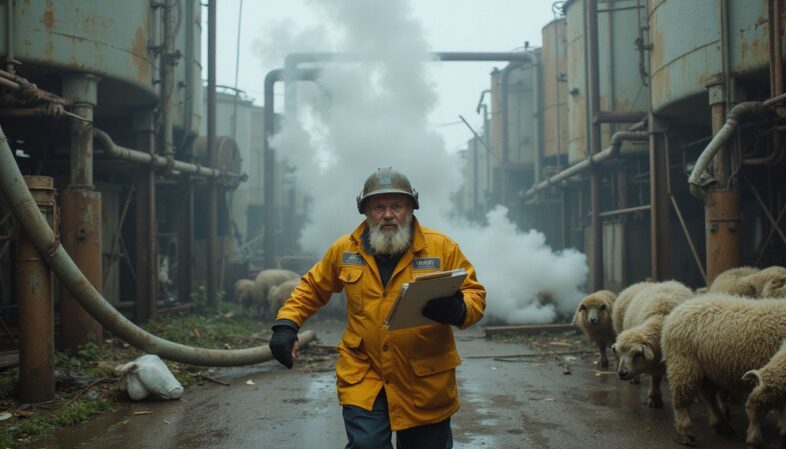
Securing a stable, low-emission energy future is the key to protecting both the environment and the economy.
New Zealand faces a critical energy challenge right now. The country relies heavily on natural gas to power homes, businesses, and industries. Energy security remains uncertain as global energy markets shift constantly.
Many citizens worry about rising energy costs and the environmental impact of fossil fuels. They want cleaner alternatives that work with existing infrastructure instead of requiring expensive new construction.
On March 17, 2026, GasNZ released a Biomethane Strategy and Action Plan that directly addresses this concern. The strategy forecasts that biomethane could supply half of New Zealand's natural gas demand by 2050. This renewable gas comes from breaking down organic waste through anaerobic digestion, creating a true circular economy solution.
This guide will break down exactly how GasNZ plans to scale up biomethane production to hit targets of one petajoule per year initially, five petajoules by 2035, and 25 petajoules by 2050. We will show you the policies driving this change and how this waste-to-energy approach transforms the nation's energy grid.
Key Takeaways
- On March 17, 2026, GasNZ released a Biomethane Strategy and Action Plan projecting biomethane could supply half of New Zealand's natural gas demand by 2050. Production targets start at one petajoule per year, scale to five petajoules by 2035, and reach 25 petajoules by 2050.
- New Zealand can leverage existing natural gas pipeline infrastructure to distribute biomethane without requiring expensive new construction. Energy Minister Simon Watts supports this transition through policy frameworks like the Energy and Electricity Security Bill, while the Waste Minimisation Fund and Regional Infrastructure Fund provide direct financial backing.
- Biomethane production actively captures methane from decaying organic matter that would otherwise escape into the atmosphere. This waste-to-energy approach addresses two problems at once by eliminating harmful emissions from decomposing materials and generating a renewable gas that reduces reliance on fossil fuels.
- Denmark leads Europe's sector by replacing 40 to 45 percent of its natural gas consumption with renewable gas from animal waste. New Zealand applies these proven strategies and international biomethane standards to position itself competitively in sustainable energy production.
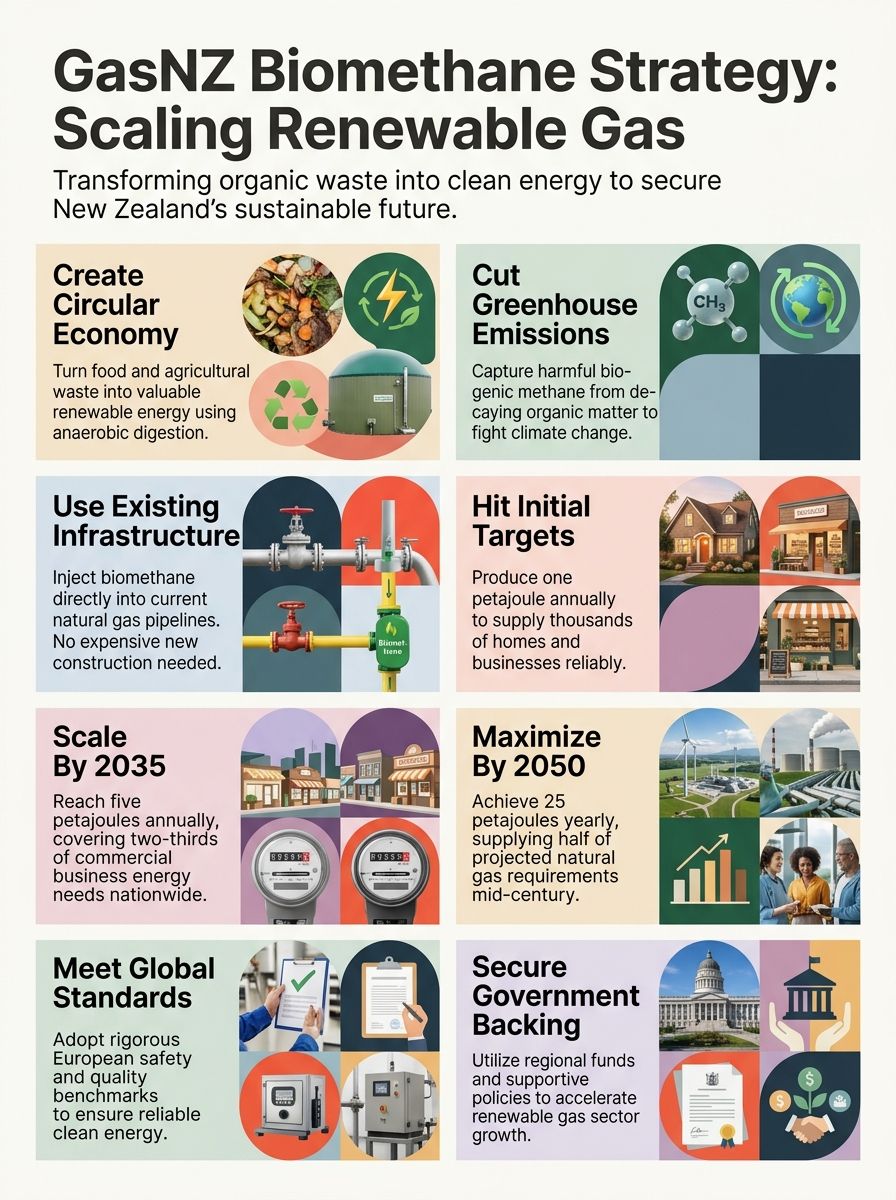
GasNZ Biomethane Strategy and Action Plan
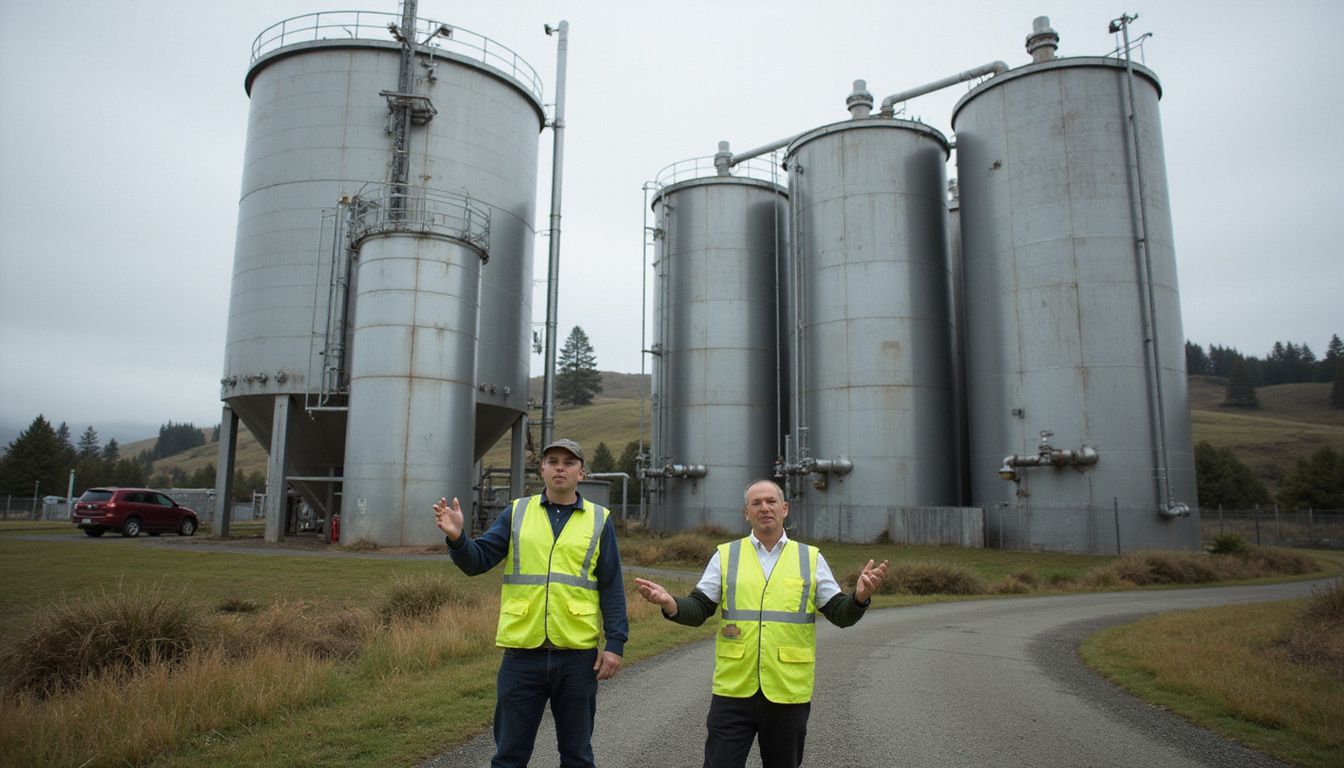
GasNZ recently launched a comprehensive biomethane strategy detailing how New Zealand will turn organic waste into renewable energy. The plan focuses entirely on proven anaerobic digestion and biogas technologies.
The strategy sets distinct production goals and maps out clear action steps. It requires tight coordination between government agencies, industry partners, and key organizations like the Bioenergy Association of New Zealand to expand the renewable gas sector. Watch this brief overview to see how the strategy functions in practice.
How does GasNZ plan to scale up renewable gas production in New Zealand?
GasNZ will scale production through a structured, phased timeline to ensure the industry can build capacity reliably. The organization targets one petajoule per year as an initial milestone, scales to five PJ by 2035, and finally aims for 25 PJ by 2050.
For perspective on this pace, U.S. renewable natural gas production is projected to more than double between 2024 and 2030, according to a 2025 presentation by Hannon Armstrong Sustainable Infrastructure Capital. New Zealand is adopting a similarly aggressive growth curve.
Energy Minister Simon Watts and the Ministry of Business, Innovation and Employment actively support this vision through strong policy frameworks. The Gas Industry Company works closely with GasNZ to align efforts across the sector, ensuring that anaerobic digestion facilities receive the investment they need.
To fund these critical waste-to-energy projects, the government utilizes the Waste Minimisation Fund and the Regional Infrastructure Fund. These programs provide direct financial support for processing sites like the Reporoa Organics Processing Facility and Otautahi Christchurch Organics Processing Facility. Budget 2025 also allocates specific resources to accelerate renewable gas development.
Large-scale biomethane production is possible with the right approach and international experience guiding our efforts.
The action plan actively removes regulatory hurdles under the Commerce Act to allow easy biomethane injection into existing pipelines. Supported by the Energy and Electricity Security Bill, these coordinated actions transform food waste and agricultural residues into clean energy, driving New Zealand toward its goal of zero organic waste to landfills by 2040.
What is biomethane and why focus on it as a renewable energy source?
Biomethane is a pure, renewable gas created when microorganisms break down organic waste inside an oxygen-free tank. This anaerobic digestion process converts food waste, agricultural residues, and other biodegradable materials directly into usable energy.
The US Environmental Protection Agency (EPA) notes that raw methane traps at least 28 times more heat than carbon dioxide over a 100-year period. By capturing this gas before it escapes a landfill and upgrading it into biomethane, producers secure a massive climate win while generating a low-emissions alternative to natural gas.
New Zealand prioritizes biomethane because it works flawlessly with current natural gas infrastructure. Existing pipelines, home heaters, and industrial equipment can burn biomethane without requiring any expensive modifications. This makes the transition to sustainable energy highly practical and cost-effective for both the government and consumers.
What are the benefits of using biomethane?
Biomethane offers a rare solution that solves a waste disposal problem while simultaneously generating clean, reliable power. It cuts greenhouse gas emissions and strengthens energy security immediately. Discover how these benefits impact the local economy and environment.
How does biomethane contribute to a circular economy?
Biomethane production physically transforms agricultural runoff, food scraps, and kerbside collections into valuable energy through anaerobic digestion. This waste-to-energy process intercepts materials that would normally rot in landfills and turns them into a high-demand resource.
The American Biogas Council reports that US biogas operations recycle roughly 12.8 million tonnes of food and other organic waste annually, powering over 283,000 households. This massive diversion proves the circular economy model works efficiently at scale.
Facilities like the Papakura sorting and consolidation facility highlight how local infrastructure captures organic waste streams effectively. Operators extract the methane, upgrade it for pipeline injection, and return the leftover nutrient-rich digestate to farms as fertilizer. This completes a perfect circular loop where communities waste absolutely nothing.
Circular economy systems transform what we discard into what we value, creating prosperity from materials once destined for landfills.
How does biomethane help reduce greenhouse gas emissions?
Biomethane production actively captures raw methane from decaying organic matter that would otherwise vent directly into the atmosphere. Anaerobic digestion technology traps these emissions from food waste and agricultural residues inside a controlled, sealed environment.
A prime example of this scale is Archaea Energy, a major US producer. Their modular plant in Shawnee, Kansas, captures enough landfill gas to process 9,600 standard cubic feet per minute, generating enough renewable gas to heat 38,000 homes annually. New Zealand's facilities use these exact same principles to prevent harmful greenhouse gas emissions.
By injecting this captured gas into existing pipelines, the renewable gas sector replaces fossil fuels with a carbon-neutral alternative. Traditional natural gas requires drilling and processing that generates a heavy carbon footprint, whereas biomethane simply recycles carbon already circulating in the environment.
The government's statement on biogas and the Energy and Electricity Security Bill firmly recognize this dual benefit. By connecting waste producers with facilities through groups like the Biogas Bridge Forum, New Zealand builds sustainable supply chains that lower net emissions across the entire energy system.
Can existing natural gas infrastructure be used for biomethane?
Yes, New Zealand's existing natural gas pipeline network is fully compatible with biomethane. Because operators upgrade the biogas to remove impurities, the final biomethane product is chemically identical to conventional natural gas.
This seamless integration creates several immediate advantages for the renewable gas sector:
- Zero Modification Costs: Energy providers can inject renewable gas directly into pipelines without asking homeowners or businesses to buy new appliances.
- Rapid Scaling: Producers can build a renewable gas upgrading facility near a waste source and tap right into the grid, speeding up distribution.
- Immediate Energy Security: Leveraging existing pipeline services prevents supply disruptions and maintains a reliable flow of energy for all consumers.
Energy Minister Simon Watts views this compatibility as a central pillar of the nation's energy strategy. By skipping the complex expense of building new distribution networks, New Zealand accelerates its climate commitments while supporting a profitable circular economy.
What are the targets for biomethane production in New Zealand?
New Zealand has established aggressive renewable gas targets to rapidly shift the nation away from fossil fuels. The government aims to hit distinct production milestones utilizing waste-to-energy solutions and anaerobic digestion technologies. Watch this detailed breakdown of the production goals and timelines.
What is the goal for biomethane production in one petajoule (PJ) per year?
GasNZ targets one petajoule of biomethane production annually as its critical first milestone. While this represents just 1 percent of current natural gas production, it proves the commercial viability of the renewable gas sector.
One petajoule of energy generates a massive amount of usable power. Reaching this single milestone can supply:
- Approximately 43,500 typical residential households.
- Around 3,100 commercial business consumers.
- Up to 10 heavy industrial energy users.
Meeting this target requires financial support from the Waste Minimisation Fund and Regional Infrastructure Fund to convert food waste into clean energy. Energy Minister Simon Watts backs this initial expansion as a required stepping stone before tackling larger climate commitments.
What are the plans to reach five PJ by 2035?
New Zealand's pathway to achieving five petajoules of biomethane annually by 2035 demands aggressive infrastructure development. This target equates to five percent of current natural gas production and supplies enough energy to power two-thirds of the nation's commercial business needs. Achieving this requires strong policy frameworks that support investment incentives across the production chain.
| Strategic Initiative | Key Actions and Milestones |
|---|---|
| Production Capacity Expansion | Develop new biogas facilities that convert organic waste into renewable gas; Scale existing treatment infrastructure to handle increased feedstock volumes; Establish regional production hubs across agricultural and waste management zones |
| Policy and Regulatory Framework | Introduce subsidies and tax incentives for biomethane producers; Create standardized certification protocols for gas quality assurance; Establish procurement mandates requiring utilities to source renewable gas volumes |
| Infrastructure Development | Upgrade existing natural gas pipelines for biomethane compatibility; Build injection points connecting production facilities to distribution networks; Invest in gas storage capacity to manage seasonal supply fluctuations |
| Investment and Funding | Secure government grants for research and facility construction; Attract private capital through public-private partnership models; Establish dedicated financing mechanisms for medium and small-scale operators |
| Feedstock Supply Chain | Develop collection networks for agricultural residues and food waste; Create standardized handling protocols for organic materials; Establish long-term contracts with waste producers ensuring consistent supply |
| Technical Standards and Quality Control | Adopt international biomethane production standards; Implement testing procedures at production and injection points; Train workforce personnel on equipment operation and maintenance protocols |
| Stakeholder Collaboration | Coordinate with agricultural sectors to secure feedstock access; Partner with utility companies for pipeline integration; Engage local communities in facility siting and environmental management |
| Market Development and Uptake | Launch awareness campaigns highlighting commercial benefits; Demonstrate cost savings compared to conventional natural gas; Support early adopter programs in industrial and commercial segments |
How will New Zealand achieve 25 PJ by 2050?
Reaching 25 petajoules of biomethane annually by 2050 requires sustained execution across multiple sectors over three decades. This ambitious goal forces government bodies, private enterprises, and research institutions to scale the renewable gas landscape aggressively.
| Achievement Pathway | Key Actions and Milestones |
|---|---|
| Scaling Production Capacity | Industry must expand biomethane facilities from current levels to meet interim targets. Infrastructure development accelerates significantly between 2030 and 2040. Producers invest in anaerobic digestion technology and biogas upgrading systems. Manufacturing plants increase output by utilizing agricultural waste streams and organic materials more efficiently. |
| Policy and Regulatory Framework | Government implements supportive regulations that incentivize biomethane production. Tax credits and subsidies make renewable gas projects financially attractive. Planning permissions streamline approval timelines for new facilities. Mandates requiring energy providers to source renewable gas percentages drive market demand. |
| Investment and Funding | Capital flows into biomethane ventures through public and private channels. Banks offer favorable financing terms for renewable energy infrastructure. Research grants support technological innovation and cost reduction. Venture capital funds emerging companies developing advanced production methods. |
| Technology Advancement | Innovation improves conversion efficiency and reduces production costs substantially. Scientists develop new catalysts for biogas transformation. Engineers design systems that capture methane from previously untapped sources. Automation and digital monitoring enhance facility operations and output quality. |
| Feedstock Development | Agricultural sector adapts practices to generate suitable organic materials. Waste management systems collect food scraps and animal manure for conversion. Forestry operations supply biomass residues to production facilities. Wastewater treatment plants integrate biomethane generation into existing processes. |
| Infrastructure Utilization | Existing natural gas pipeline networks transport biomethane to consumers nationwide. Distribution systems require minimal modifications to accommodate renewable gas. Storage facilities maintain supply continuity during seasonal demand fluctuations. Blending infrastructure allows gradual integration of biomethane into conventional supplies. |
| Market Development | Consumer demand grows through awareness campaigns highlighting environmental benefits. Industries transition heating systems to use renewable gas alternatives. Transportation sector adopts biomethane fuel for vehicle and equipment operation. Export opportunities emerge as international markets seek sustainable energy sources. |
| Workforce and Skills | Educational institutions train technicians and engineers in biomethane technologies. Employment opportunities expand across production, distribution, and maintenance roles. Industry partnerships establish apprenticeship programs for emerging professionals. Knowledge sharing networks facilitate best practice adoption throughout the sector. |
| Phased Growth Targets | Early milestones establish production foundations and operational experience. Five petajoules annually by 2035 represents the intermediate achievement level. Doubling production between 2035 and 2050 demonstrates accelerating momentum. Meeting 25 petajoules annually supplies half of projected natural gas requirements by mid-century. |
International experience shows that reaching this immense production scale is entirely feasible. Continued technological breakthroughs will lower production costs, allowing renewable gas to compete directly against conventional energy sources. Success relies on adapting strategies based on real-world performance data and maintaining funding through successive growth phases.
Why is biomethane important for meeting government climate commitments?
Biomethane cuts biogenic methane emissions and drastically reduces greenhouse gases. Energy Minister Simon Watts and the government push forward with renewable gas targets through the Energy and Electricity Security Bill. Discover how this sustainable energy source transforms waste into reliable power.
How does biomethane reduce biogenic methane emissions?
Organic waste breaks down naturally in landfills and agricultural sites, constantly releasing biogenic methane into the atmosphere. This specific gas is a highly potent greenhouse gas that traps heat quickly over short time periods.
Anaerobic digestion technology intercepts this biogenic methane before it escapes. Operators feed food waste and agricultural residues into sealed digesters where microorganisms break the material down in oxygen-free environments, capturing the gas completely.
This exact process directly supports New Zealand's climate commitments. Each ton of organic waste diverted into a digestion facility prevents raw methane release, turning a severe waste management challenge into a profitable renewable gas sector asset.
In what ways does biomethane mitigate greenhouse gas emissions?
Biomethane provides a highly effective tool for mitigating greenhouse gas emissions across the entire economy. By capturing emissions at the source and displacing dirtier fuels, it delivers a massive net reduction in carbon output.
The primary ways biomethane lowers total greenhouse gas emissions include:
- Fossil Fuel Replacement: Biomethane directly replaces traditional natural gas, eliminating the heavy emissions associated with drilling, extracting, and processing fossil fuels.
- Atmospheric Venting Prevention: It actively captures raw methane from food waste and agricultural runoff that would otherwise leak out of standard landfills.
- Lower Life-Cycle Intensity: Upgraded biomethane features a significantly lower carbon footprint across its entire life cycle compared to carbon-intensive grid power.
The Energy and Electricity Security Bill relies heavily on this transition to sustainable energy alternatives. Supported by anaerobic digestion certification schemes, this circular economy approach delivers verified carbon reductions while boosting domestic energy security.
How does New Zealand’s biomethane strategy compare internationally?
New Zealand benchmarks its biomethane standards against strict European protocols and global certification schemes. This ensures the nation's renewable gas development remains competitive and safe on the world stage.
What are the global standards for biomethane production?
Global biomethane standards mandate strict quality measures and environmental benchmarks before any renewable gas enters a public pipeline. These protocols guarantee safety, purity, and exact methane concentration levels.
| Standard Category | Key Requirements | Application Focus |
|---|---|---|
| Gas Quality Standards | Biomethane must reach 95% minimum methane concentration. Producers remove hydrogen sulfide, water vapor, and oxygen before distribution. Technical specifications ensure compatibility with existing natural gas infrastructure. | Injection into pipelines; residential and commercial use |
| Certification Schemes | European systems like REDcert and ISCC verify sustainable production. Auditors track feedstock origin and processing methods. Certification proves compliance with environmental criteria. | Market access; renewable energy credits; regulatory compliance |
| Environmental Standards | Life cycle assessments measure greenhouse gas reduction potential. Standards require at least 70% emissions savings compared to fossil gas. Biogenic methane emissions from feedstock receive accounting consideration. | Climate commitment alignment; carbon footprint reduction |
| European Framework | The EU produces over 170 petajoules annually using harmonized standards. Directives establish mandatory sustainability criteria. Member states implement consistent renewable gas requirements. | International benchmarking; circular economy integration |
| Production Safety Protocols | Digesters and upgrading equipment meet pressure and temperature standards. Safety certifications verify equipment integrity. Regular inspections prevent operational hazards. | Facility operations; worker protection; public safety |
| Measurement and Reporting | Standardized meters track biomethane volume and quality. Data logging documents production metrics continuously. Transparent reporting enables regulatory verification. | Production accountability; target achievement monitoring |
| Feedstock Sustainability | Standards specify eligible organic waste sources, agricultural residues, and manure. Producers avoid using food crops for energy generation. Traceability requirements verify sustainable sourcing. | Circular economy support; waste reduction; resource efficiency |
Europe already produces over 170 petajoules of biomethane annually, proving these global standards function perfectly at a massive scale. By adopting these rigorous quality protocols early, New Zealand creates immediate market confidence. These measurement accuracy standards prevent fraud, verify biogenic methane reduction, and ensure that biomethane integrates seamlessly into existing pipelines without causing damage.
What successful biomethane examples exist in Europe?
Denmark stands as Europe's absolute leader in the renewable gas sector. The Scandinavian nation successfully replaces 40 to 45 percent of its natural gas consumption with biomethane sourced primarily from animal waste.
This achievement proves that anaerobic digestion easily transforms organic waste into reliable energy. Denmark utilizes biomethane injection into existing natural gas infrastructure, completely avoiding the need for massive pipeline overhauls. The country now aims to reach 100 percent biomethane replacement by 2035.
Other global markets show similar explosive growth. Vanguard Renewables reports that U.S. renewable natural gas production grew at an 18 percent compound annual growth rate over the last five years. Energy Minister Simon Watts and local policymakers recognize that New Zealand can mirror these proven international strategies by investing in regional infrastructure funds and waste minimisation initiatives.
GasNZ Action Plan
GasNZ will execute concrete, funded policies to transform New Zealand's renewable gas sector and hit its aggressive biomethane targets. Government support and industry collaboration will scale this clean energy solution across the entire nation.
What policies and actions will GasNZ implement to meet production targets?
GasNZ utilizes a strict sequence of policy maneuvers to ensure New Zealand hits its five PJ target by 2035 and 25 PJ target by 2050. Energy Minister Simon Watts actively backs these efforts through strategic government planning.
- The organization establishes regulatory frameworks that remove barriers to anaerobic digestion facilities across New Zealand, allowing organic waste streams to convert into renewable gas rather than entering landfills.
- GasNZ works with the Commerce Act to streamline biomethane injection into existing gas pipeline services, ensuring operators can distribute renewable gas efficiently without building new infrastructure from scratch.
- Policy recommendations draw from international successes in Europe, where biomethane production thrives under supportive government structures and certification standards.
- The action plan activates the waste minimisation fund to finance organic waste collection systems, particularly from food waste sources that currently go unused.
- GasNZ coordinates with the regional infrastructure fund to support construction of anaerobic digestion plants in high-potential areas like the Papakura sorting and consolidation facility.
- The organization partners with the Biogas Bridge Forum to connect investors, technology providers, and waste generators in a collaborative ecosystem.
- Policy actions address the energy and electricity security bill by positioning biomethane as a critical renewable gas sector component that strengthens national energy security.
- GasNZ engages with the Energy Efficiency and Conservation Authority to promote waste to energy programs that transform food waste into electricity generation and heat.
- The action plan incorporates international anaerobic digestion certification scheme standards, ensuring New Zealand biomethane meets global quality benchmarks.
- GasNZ coordinates with Environment Canterbury and Auckland Council kerbside collections to secure consistent organic feedstock supplies for digestion facilities.
- Investment boost mechanisms channel capital toward commercial biogas market development, accelerating the transition from pilot projects to full-scale operations.
- The organization implements the government statement on biogas recommendations, aligning renewable gas targets with broader climate change mitigation goals.
- GasNZ establishes performance metrics tied to the biogas work programme, tracking progress toward production milestones and adjusting strategies as needed.
- Policy actions support carbon capture, utilisation and storage integration with biomethane facilities, creating additional revenue streams and environmental benefits.
- The organization works with industry leaders and agricultural stakeholders to develop sustainable feedstock sourcing practices that support circular economy principles.
Conclusion
New Zealand stands at a critical crossroads where renewable gas production will actively reshape the nation's energy future. GasNZ charts a clear path to scale production from one petajoule annually up to 25 petajoules by 2050 through its ambitious biomethane strategy.
Backed by Energy Minister Simon Watts and the biogas work programme, the country is well-positioned to compete with global leaders. Denmark already offsets 40 to 45 percent of its natural gas consumption with biomethane, proving this model works at a national scale.
By injecting clean energy into existing pipeline infrastructure and utilizing the Waste Minimisation Fund, New Zealand solves two problems at once. This strategy slashes emissions, creates stable jobs, and proves that circular economy principles deliver real-world energy security.
FAQs
1. What is the main goal of GasNZ's biomethane strategy for renewable gas in New Zealand?
GasNZ aims to boost sustainable energy by converting organic waste into renewable gas through anaerobic digestion. This strategy enhances energy security, cuts greenhouse gas emissions, and drives a circular economy across New Zealand.
2. How does anaerobic digestion contribute to electricity generation and climate change efforts?
This waste to energy process transforms food waste into biogas to fuel reliable electricity generation. By capturing methane that would otherwise escape into the atmosphere, it directly fights climate change while producing sustainable power.
3. What role do government initiatives play in supporting the renewable gas sector?
Initiatives like the Waste Minimisation Fund, the Regional Infrastructure Fund, and the Energy Efficiency and Conservation Authority (EECA) provide a crucial investment boost for the renewable gas sector. These programs fund biomethane injection and wood pellet mills to help Energy Minister Simon Watts meet national renewable gas targets.
4. Why is a biogas work programme important for New Zealand's energy future?
A dedicated biogas work programme prevents a winter gas crunch by expanding the local biogas market alongside the Biogas Bridge Forum and Gaseous Biofuels Interest Group.
5. How does certification impact trust in sustainable energy solutions like biomethane?
The Anaerobic Digestion Certification Scheme International guarantees that facilities follow strict environmental standards for biomethane pipeline services compliant with the Commerce Act. This verification builds vital investor confidence and supports operators at sites like the Papakura Sorting & Consolidation Facility.
6. Who are some key figures involved in advancing New Zealand's wood energy strategy alongside renewable gases?
Jeffrey Clarke, Todd McClay, and WBA leader Charlotte Morton actively shape the Wood Energy Strategy and Action Plan to complement the broader wood energy transition. They collaborate with MBIE and ASB FarmSmarts to secure long-term power stability under the Energy and Electricity Security Bill.